


Why Choose Us
Our History
Since its establishment, the company has always adhered to the business policy of "professional technology as the core, precise processing and manufacturing, bold innovative ideas, and high-quality service".
Our Factory
Zhengzhou Zhongxiang Machinery Equipment Co., Ltd. has strong strength, covers an area of 2000 square meters, has 6000 square meters of standardized heavy industrial workshop, more than 200 sets of processing, welding, assembly equipment, online staff more than 100 people.
Production Equipment
Zhengzhou Zhongxiang machinery equipment Co., Ltd. has strong strength, has a standardized heavy industrial workshop of 6000 square meters and large and medium-sized processing, welding, assembly equipment more than 200 sets.
Production Market
The products are not only sold well in more than 20 provinces and regions in China, but also exported to dozens of countries and regions in Eastern Europe, the Middle East, Asia, Africa, North America, South America and Oceania.
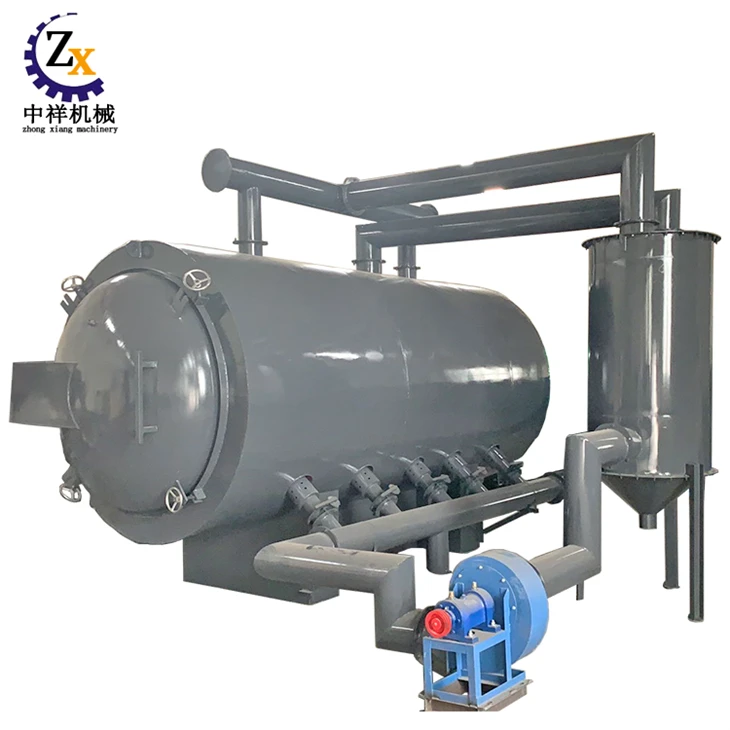
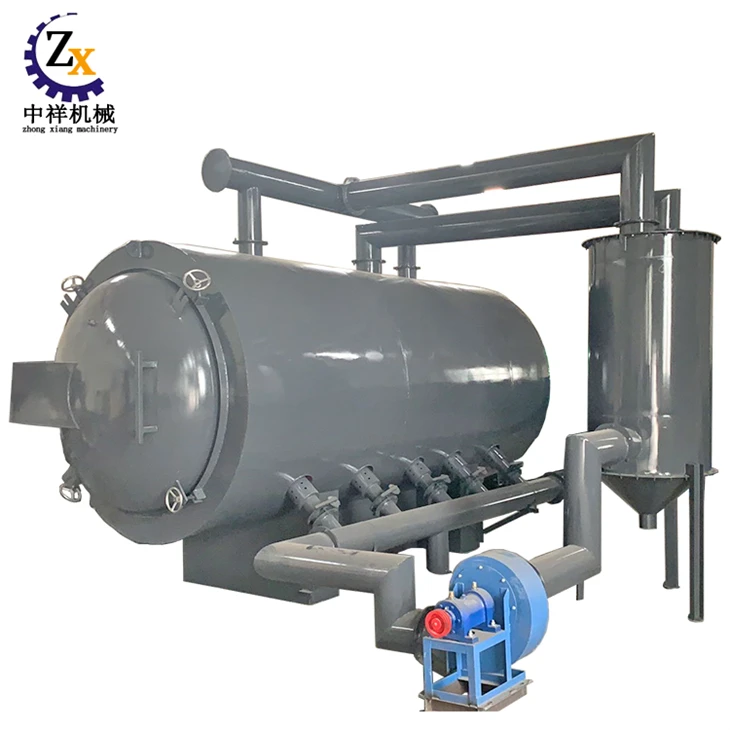
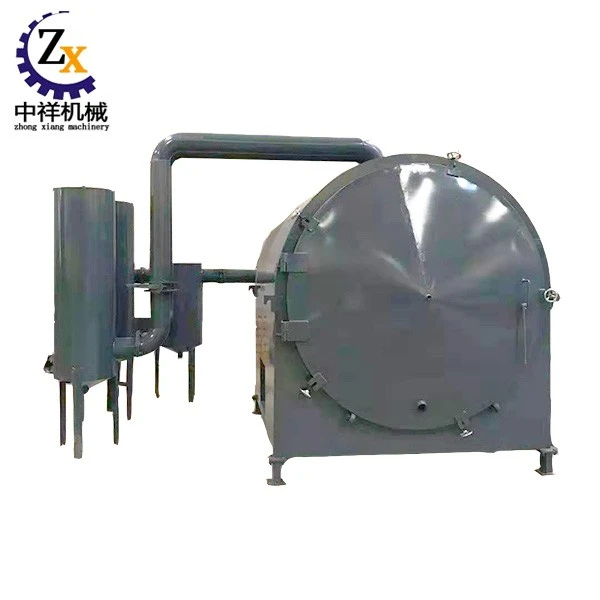
Charcoal making machine, also known as a biomass pyrolysis plant or carbonization furnace, is a equipment that converts organic materials (such as wood, coconut shells, bamboo, sawdust, agricultural waste, and even municipal solid waste) into charcoal through a process called pyrolysis.

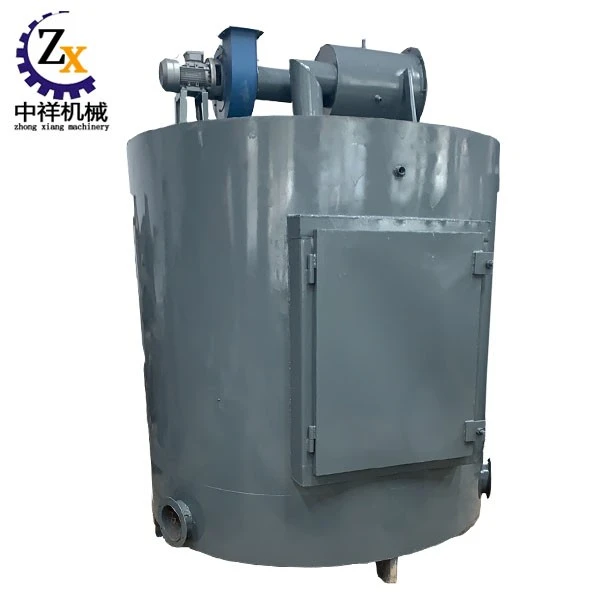
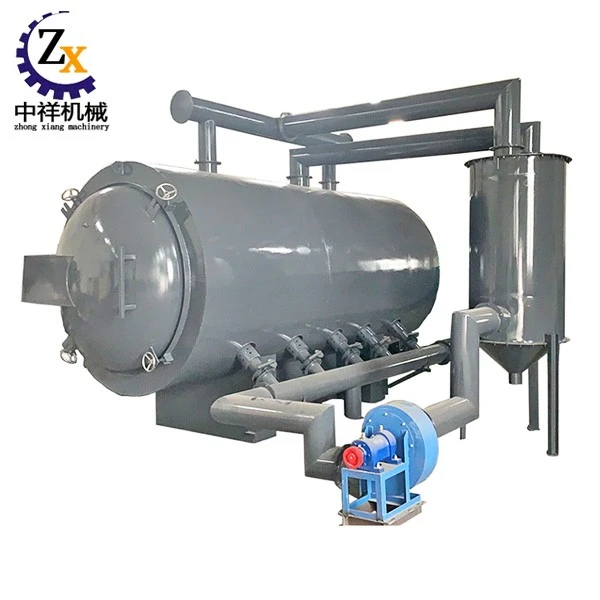
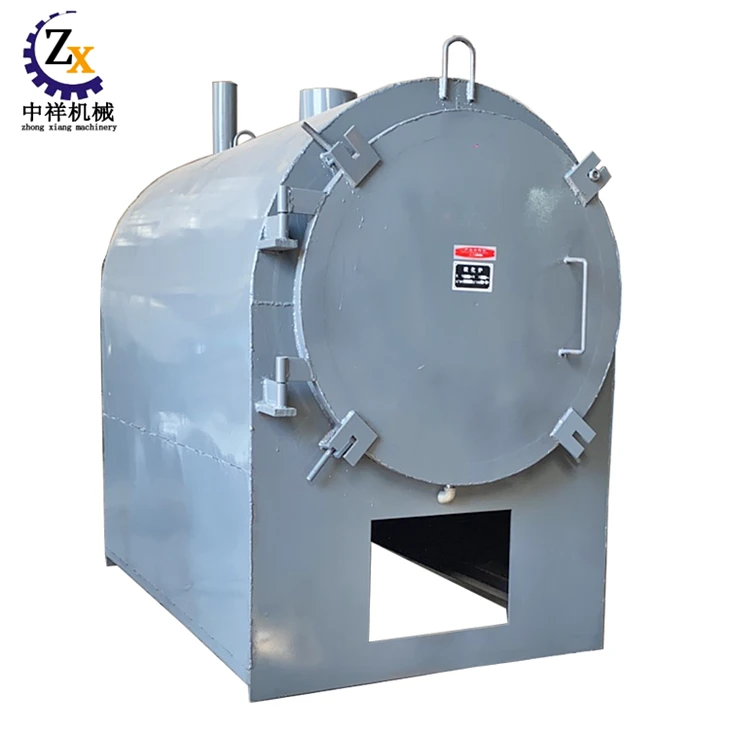
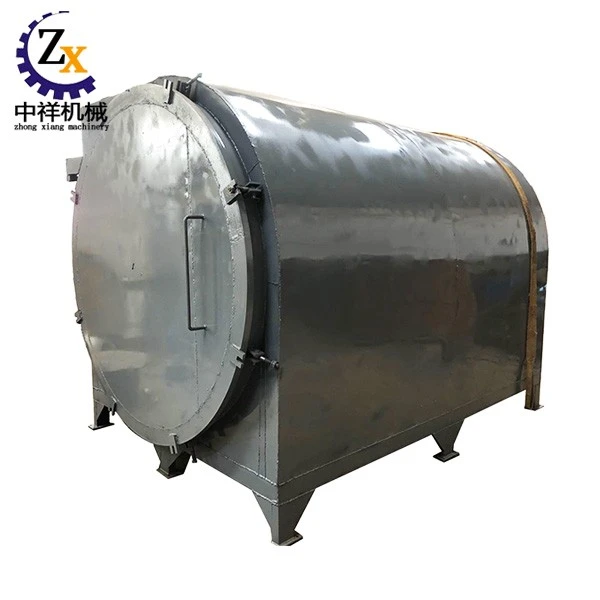
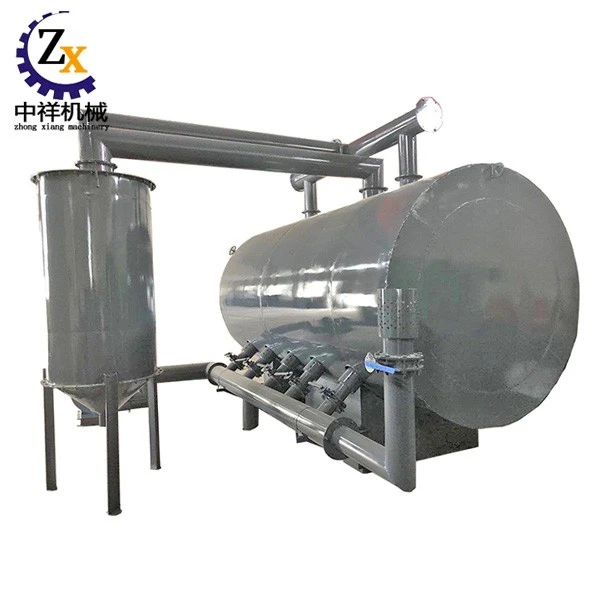
Types of charcoal making machines
Traditional charcoal kilns
Traditional charcoal kilns have been used for centuries and involve the slow pyrolysis of biomass materials in a low-oxygen environment. While culturally significant and straightforward, they tend to have drawbacks regarding efficiency and emissions. These kilns are commonly used in small-scale, traditional operations where modern technology may not be readily available or affordable.
Retort charcoal kilns
Retort charcoal kilns are designed to capture and recycle the gases and heat produced during carbonization, improving energy utilization and reducing emissions. The closed-loop system ensures that gases generated during the process are re-burned to provide heat, thus enhancing overall efficiency.
Continuous carbonization furnaces
Geared towards industrial-scale production, continuous carbonization furnaces offer a streamlined charcoal-making approach. These furnaces operate continuously, allowing for a consistent output of charcoal. They have advanced temperature and airflow controls, producing efficient carbonization and uniform charcoal quality.
Charcoal briquette machines
Charcoal briquette machines focus on transforming loose charcoal dust or biomass into compact briquettes. These machines often employ binders and additives to facilitate compression and improve the briquettes' ignition characteristics. The resulting briquettes are uniform in shape and density, making them easy to handle, transport, and store.
Preparation of Raw Materials: The first step involves collecting and processing the raw materials. In order to improve the quality of the final product and process efficiency, the charcoal making machine has certain restrictions on raw materials. The larger pieces of raw materials may need to be crushed or shredded to smaller sizes for efficient carbonization.
Feeding System: The prepared raw materials are then fed into the carbonization chamber of the charcoal making machine. This can be done manually or automatically, depending on capacity and customized needs.
Dryer:The dryer is used to reduce the moisture in the raw materials. Moisture refers to the water content of the raw materials. If the moisture is high, carbonization will not be complete and the quality of the final product will be poor. If the moisture is low, it will cause excessive carbonization, which will affect the quality of the final product. Therefore, the drying temperature and time vary depending on the raw materials.
Pyrolysis: After drying, the material enters the pyrolysis chamber, where the material decomposes under high temperature and oxygen-deficient conditions to produce charcoal, combustible gases and other by-products. This stage is the core of the continuous carbonization furnace, and its characteristics are the ability to control temperature and duration to promote the effective decomposition of different components.
Heat Source: The heat required for the pyrolysis process can be generated indifferent ways, including using an external fuel source (such as LPG, natural gas or electricity), or recovering and utilizing the combustible gases produced during the pyrolysis process as energy and re-introducing them into the carbonization process, thereby reducing the need for external energy.
Cooling System: At the end of the process, the water cooling system helps to reduce the temperature of the final product. The cooling water flowing in the shell takes away the heat of the discharged carbon. Finally, the final product completes the entire conveying and cooling process through the outlet.
A Guide To Buying Charcoal Making Machines


Capacity
To ensure seamless operations, aligning the machine's output with production demands is essential. Going too small risks underutilization, potentially hampering efficiency, while selecting a charcoal making machine that exceeds the needs might result in suboptimal outcomes. You establish a harmonious and effective production workflow by gauging the production requirements against the machine's capabilities.
Price
While considering affordability is prudent, evaluating the potential return on investment throughout the machine's lifespan is equally imperative. Remember that investing more initially in a charcoal making machine that offers enhanced efficiency and durability can often lead to significant cost savings over time.
Efficiency
Charcoal-making machines incorporating advanced technologies often showcase heightened efficiency, improving charcoal quality and minimizing waste generation. Despite a potential upfront cost premium, these technologically advanced options merit consideration for their ability to provide more excellent overall value.
Type of raw materials
Considering the diversity of biomass materials, matching the charcoal making machine with the resources available is important. Ensure the machine is adept at processing raw materials like wood chips, sawdust, agricultural waste, or other sources.
Speed
The rate at which a charcoal making machine functions carries significant weight, particularly for commercial ventures. However, striking a balance between speed and the quality of the charcoal is of paramount importance. While prioritizing faster machines aligns with productivity objectives, it is critical not to compromise the integrity of the end product.
Durability
Opting for a robustly built charcoal making machine fashioned from durable materials is akin to an investment in a machine's extended working life. This longevity is a buffer against unexpected disruptions that stem from potential breakdowns. This emphasis on durability guarantees smoother operations and underscores the long-term viability of a charcoal production enterprise. On average, charcoal making machines can last between 10 to 30 years, depending on maintenance and usage intensity.
Application Scenarios of Wood Charcoal Making Machine
Reduce Natural Resource Use
Traditional charcoal production often relies on natural log resources. The innovation of modern biomass pyrolysis machine has made forestry residues, such as dead branches, tree crowns, and stumps, the main raw materials. Not only that, efficient wood charcoal manufacturing machine also improves the charcoal yield and quality per unit of raw materials. Thus, this fundamentally reduces dependence on forest resources.
Avoid Wildfire Risk
Regularly removing waste wood from forest land can prevent these flammable materials from causing large-scale fires during the dry season. Using waste wood to make charcoal can avoid fires at the source. This practice not only effectively reduces potential fire hazards, but also converts waste wood into valuable biochar. This further supports the sustainability of forest management.
Improve Soil Environment
Applying biochar to forest soil not only enhances nutrient supply and water retention of the soil. Also it promotes root growth and plant nutrient absorption, thereby accelerating forest growth and carbon absorption capacity. In addition, biochar can increase the content of soil organic matter, improve soil structure and enhance microbial activity, providing a better growth environment for vegetation.
Generate Additional Income
Wood processing often produces significant amounts of waste, including sawdust, wood chips, and offcuts. Instead of disposing of these materials, using a wood pyrolysis plant can convert them into valuable charcoal. This not only minimizes waste but also creates an additional revenue stream for wood processing businesses. By selling the produced charcoal, companies can generate extra income and enhance the economic viability.
Supply Alternative Fuels
Wood processing industry can use wood charcoal as an alternative fuel. The high energy density of charcoal makes it an efficient fuel, including powering kilns, dryers and other wood processing equipment. By providing a renewable energy source, charcoal making machines can help wood processing plants reduce their reliance on non-renewable resources and reduce energy costs.
Offset Carbon Emissions
Waste biomass releases carbon dioxide when it decomposes naturally. Converting wood processing waste into biochar through wood to charcoal machine prevents this. Additionally, this process sequesters carbon in a stable form. Biochar acts as a long-term carbon sink when applied to the soil. This process helps offset carbon emissions from wood processing activities and supports global efforts to mitigate climate change.
How Exactly Does Charcoal Making Machine Work?
A hammer mill or wood crusher crushes the raw materials into powder or 3 to 5mm pieces. It can help them burn evenly over the following step.
A dryer dries the crushed raw materials to make sure they hardly contain any moisture. However, different raw materials might have different moisture requirements. It's best to speak to the equipment manufacturer or speak with specialists prior to making the initial batch.
Next, utilize the briquetting machine to convert the raw materials into stick briquettes. The biomass briquette's surface gets carbonized in the briquetting process. Make sure you retain the high temperature and pressure throughout this task. The interior parts don't get carbonized completely through the briquetting process. That's the reasons people call stick briquettes as biomass briquettes.
Inside the penultimate stage, the biomass charcoal briquettes get carbonized to be final charcoal briquettes. The charcoal making machine carries a charcoal kiln that can help to accomplish this transition. Many factories use a carbonization furnace, however the wood charcoal machine carries a similar setting in a small space.
The finished charcoal briquettes undergo a thorough packing process. You will observe them being used in several industries once they come out as finished briquettes.
The charcoal machine is a modern invention in the field of renewable energy. It is a machine that converts carbonaceous biomass materials into charcoal through the process of pyrolysis. The raw materials used in the charcoal machine may vary according to the availability in the region but most commonly used raw materials are wood chips, coconut shells, sawdust, rice husk, and bamboo.
The charcoal machine has gained huge popularity in recent years due to its wide range of applications. Charcoal produced from the machine may be used in cooking, heating, or for industrial purposes. It is a clean and eco-friendly source of energy that is gradually replacing the use of fossil fuels.
Apart from its use as a source of energy, charcoal is also used in the production of activated carbon. It is an essential component that purifies air and water by eliminating impurities and contaminants.
Furthermore, the introduction of charcoal machines has created employment opportunities for people in rural areas. It has encouraged local entrepreneurship and has boosted the economy of many regions around the world.
The invention of the charcoal machine has brought significant changes in the field of energy production. It is a sustainable and renewable source of energy that has shown great potential in addressing the issue of climate change. Its use has not only brought economic benefits but has also helped in building a cleaner and greener environment.
What Are The Advantages Of A Charcoal Machine


1. No need to add any adhesives and harmful chemicals.
2. The humidity of raw materials is within 8-12%.
3. The hot air drying system is adopted, and the drying effect is good.
4. The carbonization equipment can convert semi-finished products into smokeless, odorless and non-toxic clean carbon after high temperature, purification and smoke removal, with technical support.
With the development of society, many traditional industries have been gradually eliminated, and the same is true of charcoal equipment. Today we will take a look at the difference between the two, which is more convenient for users. s Select.
The charcoal produced by the mechanism charcoal machine is called "mechanism charcoal". This charcoal is also a common fuel charcoal on the market, also known as recycled charcoal, clean charcoal, and environmentally friendly smokeless charcoal. After that, the carbon rods processed by charcoal machine, the machine charcoal originated in Japan, and then spread to the mainland through Taiwan. The production of charcoal has also changed from logs to the current crop straws such as corn stalks and cotton stalks. And sawdust, wood bran and other materials.
The traditional charcoal equipment is the kiln, which burns logs into fuel charcoal. Over time, charcoal yields are low and prices are low. It has been mentioned in the ancient "charcoal sellers" that traditional charcoal production is produced after felling trees, and a lot of smoke will be generated during the firing process, causing environmental pollution and damage to nature, which is irreversible. human ability. Yes, and this smoke can be artificially extracted into a substance called "tar", which can be extracted to increase the user's income, which cannot be achieved by traditional charcoal equipment production.
The mechanism charcoal machine is a complete set of equipment, including a pulverizer, a dryer, a briquetting machine and a carbonization furnace. The processed charcoal can produce charcoal in one day, the output is large, the processed charcoal has high density, resistance to combustion, and high price. The whole set of charcoal production line equipment can also be configured according to the user's output and investment. In the process of charcoal processing, there is no pollution, which can bring more benefits to users.
Our Certificate


Our Factory
Since its establishment, the company has always adhered to the business policy of "focusing on professional technology, precision machining and manufacturing, bold and innovative ideas, and high-quality service". The company relies on strong technical force, sophisticated processing equipment and perfect testing methods, so that the technical indicators of the products are in a leading position. After nearly 10 years of exploration and innovation in production and operation experience, it has become a highly competitive and influential machinery enterprise in the industry.
FAQ
Hot Tags: charcoal making machine, China charcoal making machine manufacturers, laundromat machines, got hammer crusher, industrial grain dryer, Wood Sawdust Flour Machine, washing machine dry clothes, double ribbon mixer


